PART 3
I stared at the photograph in Grandma Opal’s trembling hands.
On the front was a young man standing proudly
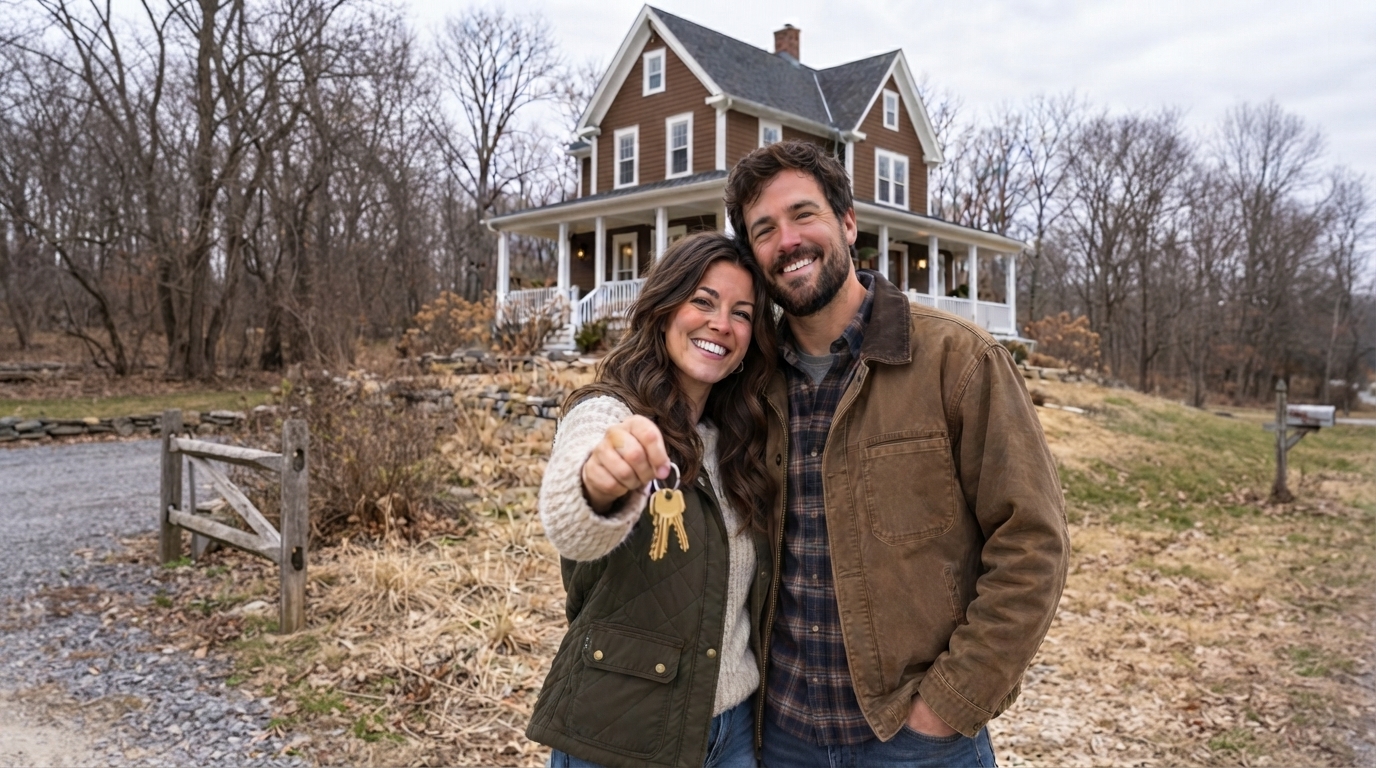
on the porch of our newly purchased house.
He wore work boots, rolled-up sleeves,
and a smile that reminded me so much of
Nate that it made my chest ache.
On the back were four names.
Kim.
Jeff.
Stacy.
Nathan.
Beside the first three names, someone had written $20,000.
Beside Nathan’s name, there was nothing.
Underneath, in darker ink, were five words.
Never let Nathan find out.
I looked at Opal.
“Grandma, what is this?”
She didn’t answer immediately.
Instead, she walked toward the boarded-up fireplace and
rested one hand against the wooden mantel.
At eighty-eight, she moved slowly,
but there was nothing uncertain about her expression.
“Your husband knows his grandfather worked as a carpenter, doesn’t he?”
I nodded.
“Of course. Nate talks about him all the time.”
“Does he know where his grandfather built his first house?”
I looked around.
“Here?”
Opal nodded.
“This was Harold’s dream.”
Harold was Nate’s grandfather, who had died when Nate was eleven.
Nate still kept Harold’s old carpenter’s square in his toolbox.
Whenever he repaired something difficult, he would tell me, “Grandpa would’ve known how to do this in half the time.”
I looked at the photograph again.
“Why didn’t anyone tell Nate?”
Opal gave a bitter little laugh.
“Because your father-in-law has spent forty years pretending this house never existed.”
She lowered herself into a dusty chair.
I pulled another chair beside her.
“Grandma, please. Start from the beginning.”
Opal folded her hands.
“Harold bought this land in 1968. Back then, there was nothing here but pasture and a little creek. He built the house himself, board by board, after finishing his regular work each evening.”
I glanced toward the staircase.
Nate had spent the previous night repairing the third step.
“He always said this house had good bones,” I murmured.
Opal smiled sadly.
“That’s exactly what Harold used to say.”
She looked toward the kitchen.
“We raised Ronald here for several years. Then Harold’s business improved, and we moved closer to town. We kept this place because Harold couldn’t bear to sell it.”
“What happened to it?”
Opal’s expression darkened.
“Ronald.”
My stomach tightened.
“Ron?”
She nodded.
“When our son was thirty-two, he wanted to expand his equipment dealership. He needed money. Harold offered to help, but Ronald wanted more than we could comfortably give.”
I listened.
“He persuaded Harold to use this property as collateral for a business loan. Harold trusted him.”
Opal paused.
“That was the beginning of everything.”
I leaned forward.
“Did Ron lose the money?”
“Not immediately. The dealership survived. But Ronald made other decisions. Risky ones. He borrowed more, moved money between accounts, and kept assuring his father everything was fine.”
She looked toward the boarded-up fireplace.
“Then Harold discovered that Ronald had used documents he didn’t fully explain to secure additional financing.”
I felt cold.
“What did Harold do?”
“He confronted him.”
“And?”
“They had a terrible argument.”
Opal’s eyes filled.
“Harold told Ronald that family trust wasn’t a business asset he could spend whenever he pleased.”
I looked down at the photograph.
“Did they reconcile?”
“Eventually. But things were never quite the same.”
She reached into her handbag again.
This time, she produced a thick envelope.
Inside were photocopies of old bank records, handwritten notes, and several letters.
I stared at the documents.
“Why are you carrying these?”
“Because I’ve been waiting for the right time to show someone.”
“Why now?”
Opal looked directly at me.
“Because you and Nate bought this house with money you earned honestly. And because Ronald sat at that Easter table pretending your independence was the reason you deserved less.”
I swallowed.
“The $20,000 checks?”
She nodded.
“They weren’t simply gifts.”
I waited.
Opal unfolded a letter.
It was dated six years earlier.
At the top was the name of a local attorney, Charles Whitcomb.
“After Harold died, his estate was settled. But years later, we discovered money that should have been accounted for differently in the family business.”
I frowned.
“What kind of money?”
“Harold had kept a separate investment in the dealership. Ronald had been treating it as though it belonged entirely to him.”
I stared.
“Was that illegal?”
Opal shook her head.
“I’m not going to make accusations I can’t prove. The records were complicated, and there were disagreements about what Harold had intended. But after accountants reviewed everything, Ronald agreed to a private family settlement.”
She tapped the photograph.
“Four grandchildren were supposed to benefit equally from a portion of that settlement.”
My heart began pounding.
“Kim, Jeff, Stacy, and Nate?”
“Yes.”
“How much?”
Opal looked at me.
“Twenty thousand dollars each.”
I sat back.
The room seemed to grow smaller.
I remembered Easter dinner.
Kim gasping.
Jeff smiling.
Stacy crying.
Judy handing us the bluebird card.
Ron lifting his coffee mug.
Every word is true. You should take it as a compliment.
I looked at Opal.
“Are you saying Nate’s parents owed him that money?”
“I’m saying Ronald agreed in writing to distribute those amounts as part of a settlement involving Harold’s family interests.”
I stared at her.
“Then why didn’t Nate get his?”
Opal’s expression hardened.
“Because Ronald decided Nathan didn’t need it.”
I shook my head.
“That doesn’t make sense.”
“No,” she said. “It doesn’t.”
I looked down at the papers.
“Did he keep the money?”
“I don’t know exactly what he did with Nathan’s portion. That’s one of the questions I want answered.”
I felt anger rising.
Not because Nate and I had missed out on a gift.
We had accepted that.
We had worked harder.
Saved every dollar.
And purchased a house with our own money.
But if that money had been intended for Nate all along, then Easter dinner had been something entirely different.
It hadn’t been generosity toward three children.
It had been the public distribution of money from which Nate had deliberately been excluded.
“Why didn’t you tell him sooner?” I asked.
Opal closed her eyes.
“Because Ronald promised he would make it right.”
I waited.
“He told me Nathan’s share was being held for a better purpose. He said Nate was responsible enough that he didn’t need cash immediately.”
She shook her head.
“I wanted to believe my son.”
I looked toward the window.
Outside, the weeds moved in the afternoon breeze.
“Grandma, that was two years ago.”
“I know.”
“And Nate still doesn’t know.”
“I know.”
I took a breath.
“Then why tell me instead of him?”
Opal’s eyes filled.
“Because I know Nathan.”
I looked at her.
“He loves his father. Even when Ronald disappoints him, Nathan makes excuses.”
She swallowed.
“And I was afraid he’d dismiss this as another old family disagreement unless someone he trusted helped him understand.”
I stared at the papers.
Then shook my head.
“I can’t keep this from him.”
Opal nodded.
“I don’t want you to.”
She reached for my hand.
“I want you to show him everything.”
I squeezed her fingers.
“Then we will.”
Before we left, Opal asked to see the basement.
I helped her down the narrow stairs.
The basement smelled of damp concrete and old lumber.
Nate had stacked salvaged boards along one wall.
There were boxes of rusty nails, broken windows, and old tools left by previous owners.
Opal stopped near a wooden support beam.
She touched it.
“Harold put this in himself.”
I smiled.
“You remember?”
“Of course.”
She looked around.
“He was proud of this place.”
Then she noticed something.
A small brass plate attached to the beam.
Most of its lettering had disappeared beneath layers of paint.
Opal leaned closer.
“Oh, Harold.”
I stepped beside her.
“What is it?”
She wiped the dust away.
Two initials appeared.
H.O.
Harold and Opal.
Below them was a date.
June 14, 1969.
Opal began crying.
“He put that there on our anniversary.”
I wrapped an arm around her shoulders.
She touched the brass plate again.
“He told me someday our grandchildren would bring their own children here.”
I looked around the unfinished basement.
The cracked concrete.
The exposed pipes.
The ancient furnace.
And suddenly, the house didn’t look abandoned.
It looked forgotten.
There was a difference.
When I drove Opal home, she remained quiet for most of the journey.
Then, just before we reached her driveway, she spoke.
“There’s something else.”
I glanced at her.
“What?”
“Ronald doesn’t know I still have the settlement documents.”
My stomach tightened.
“Why would that matter?”
She looked straight ahead.
“Because when I asked him about Nathan’s money last Christmas, he told me all the old records had been destroyed.”
I gripped the steering wheel.
“But you have copies.”
“Yes.”
She turned toward me.
“And the originals are with Charles Whitcomb.”
I nodded slowly.
“Does Charles know you’re telling us?”
“He will by tomorrow.”
Then she said something that made my blood run cold.
“Your father-in-law didn’t just hide the money from Nathan.”
I looked at her.
“What else did he hide?”
Opal’s voice trembled.
“He tried to buy the Miller property himself.”
I nearly missed the turn.
“What?”
She nodded.
“Three weeks before the courthouse auction, Ronald contacted the county about the tax sale.”
I stared at her.
“Why?”
“Because he knew exactly what this house was.”
I felt my heart pounding.
“And when he discovered Nathan had bought it…”
Opal stopped.
Her face had gone pale.
“What happened, Grandma?”
She swallowed.
“He called me and said, ‘If Nate starts asking questions about that house, everything Harold left behind could come out.’”
I stared at her.
Then she whispered:
“And I think that’s why he gave the other children their money before Nathan ever had a chance to ask.”
PART 4
Nate came home at nine-thirty that evening.
His work boots were covered in mud.
There was grease on his hands and a small cut above his wrist.
He looked exhausted.
I was sitting at our kitchen table in the rental apartment we still occupied while renovating the Miller house.
The bluebird card lay in front of me.
Beside it were Opal’s documents.
Nate stopped in the doorway.
“What’s all this?”
I looked up.
“We need to talk.”
He set down his toolbox.
“Did something happen?”
“Grandma Opal visited the Miller house today.”
He smiled.
“How’d she like it?”
I hesitated.
“She recognized it.”
His smile faded.
“What do you mean?”
I pushed the old photograph toward him.
He picked it up.
For a moment, he said nothing.
Then he leaned closer.
“Is that Grandpa?”
I nodded.
He stared.
“That’s our house.”
“Yes.”
He looked at me.
“Why is Grandpa standing in front of our house?”
I took a breath.
“Because he built it.”
Nate lowered himself into a chair.
He looked at the photograph again.
Then turned it over.
His eyes moved across the names.
Kim.
Jeff.
Stacy.
Nathan.
The three amounts.
The instruction.
Never let Nathan find out.
His face changed.
“What is this?”
I sat beside him.
And I told him everything.
About Harold building the house.
About Ron’s business.
About the disputed family investment.
About the settlement.
About the four equal payments.
And about the money Nate had never received.
He listened without interrupting.
That frightened me more than anger would have.
When I finished, he stared at the bluebird card.
Then he reached into his shirt pocket.
For two years, he had carried that card folded inside his work jacket.
He took it out.
The corners were worn.
The paper had softened.
He placed it beside the photograph.
I stared at him.
“You kept it?”
He nodded.
“Yeah.”
“Why?”
He looked down.
“I don’t know.”
Then he swallowed.
“Maybe because I wanted to believe they meant it.”
My heart broke.
I reached for his hand.
He stared at the card.
You’ve always been such a capable couple.
Then he looked at the settlement records.
“So Kim, Jeff, and Stacy weren’t getting gifts.”
“According to Grandma, those payments were connected to the settlement.”
He nodded slowly.
“And Dad knew?”
“Yes.”
He stared at the table.
Then whispered, “Of course he did.”
I squeezed his hand.
“Nate…”
He shook his head.
“No. It’s okay.”
But his voice cracked.
I moved closer.
He looked at me.
“You know what hurts?”
I swallowed.
“What?”
“It’s not the money.”
I nodded.
“I know.”
He looked toward the window.
“It’s that I spent two years thinking maybe Dad was right.”
My chest tightened.
“What do you mean?”
He laughed bitterly.
“Maybe we were too independent. Maybe we shouldn’t have expected help. Maybe I was wrong to feel hurt.”
I wiped my eyes.
He continued.
“Every time I worked late fixing somebody’s combine, I told myself it was worth it.”
He looked at his hands.
“Every time you came home from the diner exhausted, I told myself we’d get there.”
“We did get there,” I whispered.
He nodded.
“But all that time, Dad was sitting on money Grandpa wanted me to have.”
I squeezed his hand.
“We don’t know every detail yet.”
“I know.”
He looked at the photograph.
Then said quietly, “I want to talk to Grandma.”
The next morning, Nate called Opal.
She answered immediately.
“Hello, sweetheart.”
“Grandma?”
“Yes?”
He took a breath.
“Did Grandpa really build our house?”
There was silence.
Then Opal began crying.
“Oh, Nathan.”
He closed his eyes.
“I wish somebody had told me.”
“I know.”
“Why didn’t you?”
Her voice trembled.
“Because I was afraid of what it would do to the family.”
Nate looked at me.
Then said something that made me love him even more.
“Grandma, the secret did the damage. Telling the truth didn’t.”
Opal sobbed.
“I know, sweetheart.”
He took a breath.
“I love you.”
“I love you too.”
“And I want to hear everything.”
They arranged to meet that afternoon.
This time, Opal insisted we come to her house.
She had already called Charles Whitcomb, the attorney who handled the old family settlement.
Charles was seventy-three, with thick white hair and a leather briefcase that looked older than I was.
He greeted us warmly.
Then opened the briefcase.
“Your grandmother tells me you have some questions.”
Nate sat beside Opal.
“Yes, sir.”
Charles placed a copy of the settlement agreement on the table.
“I want to be precise about what these documents establish.”
Nate nodded.
“Please.”
Charles explained that Harold had retained an ownership interest in the equipment dealership.
After his death, the accounting of that interest had become complicated.
Opal and Ron eventually reached a negotiated settlement over certain assets and distributions.
Part of that agreement included four equal amounts designated for the grandchildren.
Twenty thousand dollars each.
The agreement specified that Ron would make those payments by an agreed date.
Charles pointed toward a paragraph.
“This is the relevant provision.”
Nate leaned forward.
I read over his shoulder.
The language was clear enough.
Four names.
Four amounts.
Four equal payments.
Nate swallowed.
“So Dad agreed to pay me twenty thousand dollars?”
Charles nodded.
“Yes.”
“And he paid the others?”
“According to the information I’ve received, yes. We would still want to verify the payment records.”
Nate looked down.
“But not me.”
Charles paused.
“I have not seen evidence that your payment was made.”
Opal reached for Nate’s hand.
“I’m sorry.”
He squeezed her fingers.
Charles continued.
“The agreement also raises questions about enforcement, timing, and who has the right to pursue any unpaid amount. I don’t want to promise an outcome without reviewing those issues.”
Nate nodded.
“I understand.”
Then he asked, “What about the Miller house?”
Charles looked at Opal.
She nodded.
He opened another folder.
“The property was originally owned by Harold and Opal. Years later, it was transferred during a business restructuring.”
I frowned.
“Was Ron involved?”
“Yes.”
Charles explained that the property had eventually passed through several owners and lenders.
The last private owner was a man named Thomas Miller, who purchased it as an investment.
After Miller died, the property fell into neglect.
Taxes went unpaid.
And eventually, the county initiated the sale process.
Nate looked stunned.
“So Grandpa’s house ended up at a tax auction?”
“Yes.”
“And Dad knew?”
Charles hesitated.
“I know Ronald was aware of the property’s history. Your grandmother tells me he also inquired about the recent auction.”
Opal nodded.
“He did.”
Nate stared at the table.
Then he asked the question I’d been waiting for.
“Why didn’t Dad tell me?”
Nobody answered.
Because none of us could explain that choice.
Only Ron could.
We left Opal’s house with copies of the documents and a referral to an independent attorney.
Nate didn’t speak much on the drive home.
Finally, he said, “I want to see Dad.”
I looked at him.
“Are you sure?”
He nodded.
“Yes.”
“Tonight?”
“Yes.”
I took a breath.
“Then I’ll come with you.”
He shook his head.
“No.”
I felt my stomach tighten.
“Nate—”
He reached for my hand.
“Not because I don’t want you there.”
“Then why?”
“Because for once, I need to ask my father a question without somebody else answering for me.”
I understood.
That evening, Nate drove to his parents’ house.
The same house where we’d sat at Easter dinner two years earlier.
The same dining room where three envelopes held checks and ours held a bluebird card.
Ron opened the door.
“Nathan.”
Nate stepped inside.
Judy was in the kitchen.
She smiled.
“Sweetheart! What a surprise.”
Nate didn’t smile.
“Mom, I need to talk to Dad.”
Ron frowned.
“About what?”
Nate placed the settlement agreement on the dining table.
Ron stared at it.
His face changed.
Judy came closer.
“What is that?”
Nate looked at his father.
“Grandpa’s settlement.”
Ron didn’t move.
Then he said, “Where did you get that?”
“Grandma.”
Ron’s jaw tightened.
“She had no business—”
“Dad.”
Nate’s voice was steady.
“Did Grandpa intend for all four grandchildren to receive twenty thousand dollars?”
Ron stared at him.
“It’s complicated.”
Nate nodded.
“Then explain it.”
Ron pulled out a chair.
“Your grandfather’s business affairs were complicated. There were debts, investments, and obligations you don’t understand.”
Nate remained standing.
“Did you agree to pay me twenty thousand dollars?”
Ron looked away.
Judy whispered, “Ronald…”
Nate repeated the question.
“Did you?”
Finally, Ron said, “Yes.”
Nate closed his eyes.
“Did you pay Kim?”
“Yes.”
“Jeff?”
“Yes.”
“Stacy?”
“Yes.”
Nate opened his eyes.
“Me?”
Silence.
Then Ron said, “You didn’t need it.”
Nate stared.
“What?”
Ron lifted his chin.
“You were doing fine. You had steady work. Your wife had a good job. The others needed help.”
Nate looked at him.
“Dad, we were renting a tiny apartment and working seven days a week.”
Ron waved his hand.
“And look what you accomplished.”
Nate felt his face grow hot.
“You think that makes it okay?”
Ron sighed.
“Nathan, you’ve always been responsible. I knew you’d manage.”
Nate reached into his pocket.
Pulled out the bluebird card.
And placed it on the table.
Judy stared at it.
Nate looked at his parents.
“You gave us this.”
Judy’s eyes filled.
“Sweetheart—”
“You gave my brother and sisters money Grandpa intended for them. Then you handed me a card praising my independence.”
Ron crossed his arms.
“You should be proud of that independence.”
Nate shook his head.
“I am proud of what my wife and I built.”
He paused.
“But I’m not proud of how you treated us.”
Judy began crying.
“Nathan, we never meant to hurt you.”
He looked at her.
“Then why didn’t you tell me the truth?”
She opened her mouth.
Closed it.
Then whispered, “Your father said it was better this way.”
Ron turned sharply.
“Judy.”
She looked at him.
“No, Ronald. He deserves an answer.”
For the first time, Nate saw his mother challenge his father openly.
Judy wiped her eyes.
“We knew the money was supposed to be divided equally.”
Nate stared.
“You knew?”
She nodded.
“And you let me think it was a gift?”
Tears rolled down her cheeks.
“Yes.”
Nate looked away.
The silence stretched.
Then Ron said, “I don’t appreciate being interrogated in my own home.”
Nate turned back.
“And I didn’t appreciate being humiliated in yours.”
Ron stood.
“Watch your tone.”
Nate didn’t move.
“I’m thirty-four years old, Dad. You don’t get to frighten me into silence anymore.”
Ron stared at him.
Then said something cruel.
“Maybe if you weren’t so obsessed with that worthless Miller property, you wouldn’t be making such a fuss over twenty thousand dollars.”
Nate went still.
He looked at his father.
“Worthless?”
Ron shrugged.
“It’s a dump.”
Nate took a slow breath.
“Grandpa built that house.”
Ron’s expression changed.
Nate continued.
“You knew that.”
Ron looked away.
“You knew I spent years wishing I had something Grandpa made with his own hands.”
Judy began crying harder.
“And you never told me his house was being sold.”
Ron muttered, “It wasn’t my responsibility.”
Nate nodded slowly.
“No.”
He picked up the bluebird card.
“You’re right.”
Then he looked directly at his father.
“It wasn’t your responsibility to help us buy a house.”
Ron seemed relieved.
“But it was your responsibility to honor an agreement you made.”
The relief vanished.
Nate continued.
“And it was your responsibility to tell me the truth.”
He folded the card.
Slipped it into his pocket.
Then walked toward the door.
Judy followed him.
“Nathan, please.”
He stopped.
She reached for his arm.
“We love you.”
Nate looked at her.
“I love you too, Mom.”
Her face softened.
“But I don’t trust you right now.”
She began crying.
He gently removed her hand.
“I need some time.”
Then he left.
When he returned home, I was waiting at the kitchen table.
He walked through the door.
Set down his keys.
And stood there silently.
I rose.
“Nate?”
He looked at me.
Then his face crumpled.
I crossed the room and wrapped my arms around him.
He held me so tightly I could barely breathe.
And for the first time since Easter dinner, my husband cried.
Not because we had lost twenty thousand dollars.
But because he’d finally learned that his parents had deliberately treated him as less deserving.
I held him until his breathing slowed.
Then he whispered, “I don’t want their money.”
I stroked his back.
“I know.”
“I just wanted them to be fair.”
I closed my eyes.
“I know, sweetheart.”
He stepped back.
Then looked at me.
“But I do want them to be accountable.”
I nodded.
“Then we’ll handle it properly.”
The next morning, we called an attorney.
And that was when we discovered the settlement wasn’t the only document Ron had been hiding.
Because tucked into Harold’s old estate file was a handwritten letter addressed specifically to Nate.
A letter Ron had received years earlier.
A letter he’d never delivered.
And the first sentence made my husband go completely still.
“Nathan, if you ever own the house I built, there is something beneath the dining room floor that I want you to find.”
PART 5
We drove to the Miller house before sunrise.
Nate barely spoke.
The handwritten letter lay on the passenger seat between us.
It had been written by his grandfather Harold almost fifteen years earlier.
The paper was yellowed.
The handwriting was uneven.
But the message was unmistakable.
My dear Nathan,
If you ever own the house I built, there is something beneath the dining room floor that I want you to find.
I don’t know whether that day will ever come. Life has a way of taking things in directions we never expect.
But if it does, remember that a home is not valuable because of its price.
It is valuable because of the work, love, and honesty put into it.
Your grandmother knows where the old compartment is.
Ask her.
Nate had read the letter six times.
Every time, his eyes filled.
“Grandpa wrote this for me,” he whispered.
I nodded.
“He did.”
“And Dad kept it.”
I reached for his hand.
“I know.”
We arrived at the house just after six.
The morning air was cold.
Mist hung over the fields.
The porch still needed work, and the kitchen smelled faintly of fresh paint.
But the house was beginning to look beautiful.
Nate unlocked the door.
We stepped inside.
Then he called Grandma Opal.
She answered on the third ring.
“Hello?”
“Grandma?”
“Nathan?”
He took a breath.
“We found Grandpa’s letter.”
Silence.
Then Opal began crying.
“Oh, sweetheart.”
“He said there’s something under the dining room floor.”
She sniffled.
“Yes.”
“Will you tell me where?”
Opal paused.
Then said, “Come get me.”
An hour later, she was standing in the dining room.
Nate had placed a chair beside the old fireplace.
Opal sat down.
Looked around.
Then smiled through her tears.
“Harold would be so proud.”
Nate knelt beside her.
“Grandma, what did he hide?”
She looked toward the floor.
“Not money, sweetheart.”
He smiled sadly.
“I didn’t think it was.”
Opal pointed toward a section of oak flooring near the wall.
“Third board from the corner.”
Nate fetched a pry bar.
Carefully, he lifted the board.
Beneath it was a shallow wooden compartment.
Inside sat a small metal box.
Its lid was covered in dust.
Nate lifted it out.
Placed it on the dining table.
Then looked at Opal.
She nodded.
“Open it.”
Inside were photographs.
Old receipts.
A folded blueprint.
A carpenter’s pencil.
And a small leather notebook.
Nate picked up the notebook.
On the first page, Harold had written:
THE HOUSE WE BUILT.
Nate turned the pages slowly.
There were measurements.
Sketches.
Notes about lumber.
Lists of materials.
And photographs of Harold and Opal working on the property.
One picture showed Opal standing beside the unfinished porch, holding a hammer.
She laughed.
“I remember that day.”
Nate smiled.
“You helped build it?”
“Of course.”
She lifted her chin.
“Your grandfather couldn’t have done it without me.”
We laughed.
Then Nate reached the final pages.
There was a photograph of a little boy standing beside Harold.
The boy was holding a wooden toy truck.
Nate stared.
“That’s me.”
Opal nodded.
“You were six.”
Nate looked closer.
The photograph had been taken on the porch.
The very porch we’d been repairing.
He swallowed.
“I remember this.”
His voice cracked.
“Grandpa brought me here one summer.”
Opal smiled.
“He did.”
Nate stared at the photograph.
“He told me someday I’d build something important.”
Tears filled Opal’s eyes.
“He believed you would.”
Nate turned the page.
There was a handwritten note.
For Nathan, who always wanted to know how things worked.
You were the only grandchild who sat beside me while I repaired things instead of asking when I’d be finished.
You asked questions.
You handed me tools.
You listened.
I hope someday you have a home where you can make memories with people you love.
If that home happens to be this one, then I hope you understand how much it means to me.
Nate lowered the notebook.
He couldn’t speak.
I wrapped my arms around him.
Opal wiped her eyes.
For several minutes, the three of us sat quietly.
Then Nate whispered, “Grandpa wanted me to have this house.”
Opal nodded.
“He hoped you might someday.”
I looked at her.
“But he didn’t leave it to Nate?”
She shook her head.
“The property had already become entangled in Ronald’s business arrangements. Harold couldn’t simply give away something he no longer owned.”
Nate looked down.
“So he left me a letter.”
Opal nodded.
“And his hope.”
Nate smiled through his tears.
“Well, Grandpa.”
He looked around the room.
“I found my way here.”
That afternoon, we decided to preserve the hidden compartment.
Nate cleaned the metal box.
Wrapped the photographs carefully.
And placed the notebook in a protective sleeve.
We agreed that the compartment would remain part of the house’s history.
Not because it held anything financially valuable.
But because it held something money couldn’t replace.
Proof that this house had been built with love.
And that Nate’s grandfather had remembered him.
Meanwhile, our attorney reviewed the family settlement documents.
She confirmed that there was a legitimate dispute over the unpaid amount designated for Nate.
She explained that enforcement would depend on the agreement’s terms, applicable deadlines, and the rights of the parties involved.
We weren’t interested in turning the situation into a public spectacle.
We wanted accountability.
So she sent a formal letter requesting an explanation and proposing a resolution.
Ron didn’t respond immediately.
Then, three weeks later, he asked to meet.
This time, the meeting took place at our attorney’s office.
Not his dining room.
Not somewhere he could control the conversation.
Judy came with him.
Ron looked uncomfortable.
He sat across from Nate.
Then cleared his throat.
“I’ve reviewed the agreement.”
Nate nodded.
“So have I.”
Ron looked down.
“There was a payment obligation.”
“Yes.”
Ron hesitated.
“And I didn’t fulfill it.”
Nate remained silent.
Judy reached for a tissue.
Ron continued.
“I convinced myself you didn’t need the money.”
Nate looked at him.
“That wasn’t your decision to make.”
Ron nodded slowly.
“I know.”
The admission surprised me.
For years, Ron had been a man who could turn almost any argument into someone else’s fault.
But now, sitting across from his son with the agreement on the table, he seemed smaller.
Less certain.
He took a breath.
“I was wrong.”
Nate stared at him.
Ron continued.
“I was wrong to exclude you. Wrong to hide the settlement. And wrong to let you believe the others were receiving gifts while you were simply being praised for managing without help.”
Judy began crying.
Nate looked at his father.
“Why did you do it?”
Ron stared at the table.
Then whispered, “Because I thought you would forgive me.”
The room went silent.
Ron looked up.
“Kim would have been furious. Jeff would have demanded answers. Stacy would have cried and told everyone.”
He swallowed.
“But you…”
He looked at Nate.
“You always tried to keep the peace.”
My heart broke.
Nate’s expression changed.
Not to anger.
To something deeper.
Understanding.
Ron continued.
“I told myself you were strong enough to handle it.”
Nate took a slow breath.
“Dad, being strong doesn’t mean I don’t get hurt.”
Ron’s eyes filled.
“I know that now.”
Nate looked down.
Then said quietly, “You made me feel like being responsible was a punishment.”
Judy covered her mouth.
Ron began crying.
“I never meant that.”
“But that’s what happened.”
Ron nodded.
“I know.”
There was a long silence.
Then our attorney explained the proposed resolution.
Ron agreed to pay the original twenty thousand dollars owed under the settlement.
The payment would be documented properly.
Any remaining legal issues would be resolved according to the agreement reached by the parties.
Nate listened.
Then said something that surprised everyone.
“I don’t want the money deposited into our regular account.”
Ron frowned.
“What?”
Nate looked at me.
I nodded.
We had discussed this.
He turned back to his father.
“I want it placed in a separate account.”
“For what?”
Nate took a breath.
“For the house.”
Ron stared.
Nate continued.
“Grandpa built that place. We’re restoring it. And I want the money he intended for me to go toward preserving what he loved.”
Opal wasn’t there.
But I knew she would have cried if she’d heard him.
Ron looked down.
Then nodded.
“Okay.”
The meeting ended quietly.
There was no dramatic shouting.
No threats.
No sudden embrace.
Just an agreement.
An acknowledgment.
And the beginning of something that might, someday, resemble trust again.
When we left, Nate reached for my hand.
“How do you feel?” I asked.
He thought for a moment.
“Sad.”
I nodded.
“But lighter.”
I smiled.
“Me too.”
The next six months were a blur of sawdust, paint, and long evenings.
We replaced the damaged porch.
Repaired the roof.
Updated the plumbing.
Finished the electrical work.
Restored the hardwood floors.
And planted a vegetable garden behind the house.
I kept working at the hospital.
But once the finances stabilized, I reduced my diner shifts.
Nate continued taking occasional repair jobs, though he finally began giving himself Sundays off.
We bought a secondhand dining table.
A comfortable sofa.
And a bed that didn’t squeak every time we moved.
Nothing matched perfectly.
But everything was ours.
One Saturday afternoon, Opal arrived carrying a small cardboard box.
Inside were Harold’s old tools.
A hammer.
A measuring tape.
A carpenter’s square.
And a worn wooden level.
She handed the box to Nate.
“These belong here.”
He stared.
“Grandma…”
She smiled.
“Your grandfather would want you to use them.”
Nate picked up the carpenter’s square.
His eyes filled.
“I will.”
Then Opal looked around the kitchen.
“You’ve done a beautiful job.”
I smiled.
“There’s still a lot to finish.”
She waved her hand.
“A house is never finished, sweetheart.”
We laughed.
Then she added, “But it’s already a home.”
That evening, Nate and I sat on the repaired porch.
The sun was setting behind the fields.
The air smelled of fresh-cut grass.
For once, neither of us had to rush to another shift.
Nate leaned back in his chair.
“Remember Easter?”
I looked at him.
“Which part?”
He smiled sadly.
“The card.”
I nodded.
“Of course.”
He reached into his pocket.
Pulled out the worn bluebird card.
And handed it to me.
I stared.
“You still have it?”
He nodded.
“I kept it for a long time because it hurt.”
I looked at the faded writing.
You’ve always been such a capable couple.
Nate smiled.
“But now I think I understand something.”
“What?”
He looked toward the house.
“We really are capable.”
I smiled.
“Yes, we are.”
“But that doesn’t mean we deserved less.”
I reached for his hand.
“No.”
He looked at me.
“And it doesn’t mean we have to spend the rest of our lives proving anything to anybody.”
I squeezed his fingers.
“Exactly.”
He took the card back.
Then stood.
“Come on.”
“Where?”
He smiled.
“I want to show you something.”
We walked inside.
He led me into the dining room.
Above the fireplace, he’d hung Harold’s photograph.
Beside it was the old blueprint of the house.
And beneath them, in a simple wooden frame, was the bluebird card.
I stared.
“Nate?”
He smiled.
“I decided to keep it.”
I looked at him.
“Why?”
“Because it reminds me of where we started.”
He paused.
“And because it reminds me that compliments aren’t substitutes for fairness.”
I laughed softly.
Then hugged him.
He kissed my forehead.
“We did it.”
I looked around.
The restored floors.
The fresh paint.
The warm light.
The old fireplace.
The photographs.
The home we’d built together.
“Yes,” I whispered.
“We did.”
A month later, we hosted our first family dinner.
Opal came.
So did Kim, Jeff, and Stacy.
They had learned about the settlement by then.
All three were shocked.
Kim apologized first.
“We thought Mom and Dad were giving us money because we needed help.”
Jeff nodded.
“I had no idea it was connected to Grandpa’s estate.”
Stacy began crying.
“If I’d known Nate was supposed to get the same amount, I would’ve said something.”
Nate smiled.
“I know.”
And I believed them.
They hadn’t made the decision.
They hadn’t hidden the documents.
They had simply accepted what they were told.
Ron and Judy arrived last.
For a moment, the room grew quiet.
Ron stood near the doorway.
Then looked around.
His eyes moved across the restored walls.
The staircase.
The fireplace.
The photograph of Harold.
He swallowed.
“I haven’t been inside this house in almost thirty years.”
Opal looked at him.
“Then you’ve missed a lot.”
Ron nodded.
“Yes, Mom.”
He walked slowly toward the fireplace.
Stopped beneath his father’s photograph.
And stared.
For several moments, he said nothing.
Then he whispered, “Dad would’ve loved this.”
Nate stood beside him.
“I hope so.”
Ron looked at his son.
“He would have been proud of you.”
Nate nodded.
“Thank you.”
Then Ron said something I never expected.
“I wish I’d been the one to tell you about this place.”
Nate looked at him.
“So do I.”
There was no accusation in his voice.
Just the truth.
Ron nodded.
And for once, he accepted it.
Dinner was simple.
Roast chicken.
Mashed potatoes.
Green beans.
Homemade rolls.
And apple pie.
We sat around the secondhand table we’d bought at a yard sale.
The chairs didn’t match.
The plates weren’t expensive.
And the curtains still needed hemming.
But the room was full of laughter.
Opal told stories about Harold building the house.
Kim remembered visiting the property as a little girl.
Jeff asked Nate about the wiring.
Stacy admired the restored floors.
And for the first time in years, Nate seemed completely comfortable sitting with his family.
Not because everything had been forgotten.
It hadn’t.
But because the truth was finally sitting at the table with us.
Nobody had to pretend anymore.
After dinner, Opal asked everyone to gather in the living room.
She stood beside Harold’s photograph.
Her hands trembled slightly.
“I want to say something.”
The room grew quiet.
She looked at Ron.
Then at Nate.
“Harold believed a house should be built on a strong foundation.”
She smiled.
“He meant that literally, of course. That man checked every beam three times.”
Everyone laughed.
Then her expression softened.
“But he also meant something else.”
She looked around the room.
“Families need strong foundations too.”
Her voice trembled.
“Honesty. Fairness. Respect.”
She paused.
“And when those things are missing, even a beautiful house can feel empty.”
Ron looked down.
Opal continued.
“I’m grateful Nathan and his wife found their way here.”
She smiled at us.
“They didn’t know the history. They didn’t know about the money. They didn’t know what Harold hoped for.”
Tears filled her eyes.
“But they saw something worth saving.”
Nate reached for my hand.
Opal looked at him.
“And that’s exactly what your grandfather would have wanted.”
The room fell silent.
Then Nate stood.
He walked toward Opal.
And hugged her.
She held him tightly.
For a moment, I could almost imagine Harold standing beside them.
Smiling.
Proud.
Finally, Opal stepped back.
She wiped her eyes.
Then laughed.
“Now, somebody get me another slice of pie before I start crying again.”
Everyone laughed.
And just like that, the room felt warm again.
Later that night, after the guests had gone, Nate and I sat on the porch.
The moon was bright.
The fields were quiet.
And the old Miller house stood behind us, no longer abandoned.
I rested my head on his shoulder.
“Do you ever wish we’d gotten the money two years ago?”
Nate thought for a long moment.
“Sometimes.”
I nodded.
“It would’ve made things easier.”
“Yes.”
He looked toward the yard.
“But if we’d gotten it then, we might have bought some ordinary house in town.”
I smiled.
“Probably.”
“We might never have gone to that auction.”
“True.”
“And we might never have found Grandpa’s place.”
I looked toward the house.
The porch Harold had built.
The dining room where he’d hidden his notebook.
The walls that had held decades of family history.
I smiled.
“No, we might not have.”
Nate took my hand.
“But I still wish Dad had been fair.”
I nodded.
“Me too.”
He squeezed my fingers.
“Finding this house doesn’t excuse what happened.”
“No,” I whispered. “It doesn’t.”
He smiled.
“But it gave us something beautiful to build from.”
I looked at him.
Then at the house.
And I realized something.
For two years, we’d believed we were simply trying to buy a home.
We worked extra shifts.
Saved tips.
Skipped vacations.
Sold things we loved.
And made sacrifices nobody saw.
We thought we were chasing a dream that other people had received help achieving.
But along the way, we found something we never could have planned.
A piece of Nate’s grandfather.
A forgotten family story.
A home filled with history.
And the strength to stop confusing unfair treatment with a compliment.
The next morning, I woke before Nate.
Sunlight streamed through the kitchen window.
I made coffee.
Then walked into the dining room.
Harold’s photograph hung above the fireplace.
The bluebird card sat beneath it.
And the old carpenter’s notebook rested on a shelf nearby.
I opened the notebook to the final page.
There, in Harold’s handwriting, were the words:
Build something that lasts.
I smiled.
Then looked around.
The walls weren’t perfect.
The floors still creaked in places.
The garden needed work.
And the porch railing would probably need another coat of paint next spring.
But the house was ours.
Not because someone handed it to us.
Not because we were more deserving than anyone else.
And not because suffering somehow made us better people.
It was ours because we had worked for it, chosen it, and cared enough to bring it back to life.
Nate appeared in the doorway.
His hair was messy.
He was still half asleep.
“What are you doing?”
I smiled.
“Just looking.”
He walked over.
Wrapped his arms around me.
And kissed my cheek.
“At what?”
I looked toward Harold’s photograph.
Then at the bluebird card.
Then at the man who had worked himself exhausted beside me without ever blaming me for what we lacked.
“At everything we built.”
He smiled.
“Pretty good, huh?”
I laughed.
“Pretty good.”
Then he kissed my forehead.
And together, we stood in the house everyone else had forgotten.
The house his grandfather built.
The house his father tried to bury in silence.
The house we bought for $41,500 when nobody believed it was worth saving.
And I knew one thing with absolute certainty.
My in-laws gave their other children twenty thousand dollars and gave us a card praising our independence.
They thought we would accept being treated differently because we always had before.
But two years later, we bought a forgotten house, uncovered a family secret, and finally learned that being strong doesn’t mean accepting less than you deserve.
The money helped us repair the house.
The truth helped us repair something deeper.
And the home we built together became a reminder that fairness matters, even when the people denying it are the people who claim to love you most.
Because sometimes the greatest inheritance isn’t a check.
Sometimes it’s a lesson.
Sometimes it’s a memory.
And sometimes it’s an old house with creaking floors, a crooked porch, and a grandfather’s handwriting hidden beneath the boards.
THE END THANK YOU FOR READING !!!



